

-

Education Analytics to Support Students
Improving educational outcomes is challenging, but VARC can provide analytics, research, and tools that support educators in providing a quality education for all students.
-

Proud Participants in the Wisconsin Idea
Did you know that VARC is part of the Wisconsin Center for Education Research at UW-Madison?
-

Value-Added Measures
Value-Added measures the impact of educators and schools on student learning.
-
Value-Added, Growth Measures, & Analytics
Choose the right measures and analytics to support student learning
Education Policy
Design fair and equitable evaluation systems
Professional Development, Reports, & Technical Assistance
Build staff capacity and earn stakeholder buy-in
Education Research
Innovative research to inform your work
PARTNER PROFILES
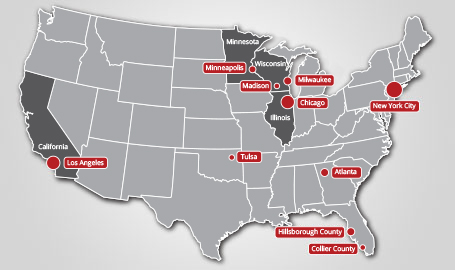
VARC strives to provide the highest quality analytics, tools, and resources to our partners, which include school districts, state departments of education, local and state education agencies, non-profits, and advocacy organizations across the country. Hear from our partners at Hillsborough County Public Schools. READ MORE
NEWS & PUBLICATIONS
From facilitating trainings at school districts to presenting our latest research findings at national conferences, VARC is a leader in education. READ MORE